Services

Web, mobile, AI, SaaS, cloud and product work

Six lines of work, and a stack we actually ship with — not a logo wall we borrowed. Pick a line, or start with a conversation.

Web Development

We build Next.js and React products: public sites, dashboards and the boring admin tools in between. Performance and SEO are part of the build, not a cleanup sprint.

  • Next.js and React applications
  • Marketing sites that convert
  • Design systems and dashboards
  • SEO, accessibility and Core Web Vitals
  • CMS and commerce integrations
  • APIs, auth and role-based access
  • React
  • Next.js
  • TypeScript
  • JavaScript
  • Vue.js
  • Nuxt
  • Angular
  • Tailwind CSS
  • HTML5
  • CSS
  • Vite
  • Redux
  • Node.js
  • NestJS
  • Express
  • GraphQL
  • Python
  • Django
  • FastAPI
  • Go
  • PHP
  • Laravel
  • PostgreSQL
  • MySQL
  • MongoDB
  • Redis
  • Prisma
  • Supabase
  • SQLite
  • Shopify
  • WordPress
  • Strapi
  • Sanity
  • Vercel
  • Netlify
  • Docker
  • AWS
Full stack and how we work
Code on a laptop during a web build

Mobile App Development

React Native or Flutter when one codebase is the right call. Native polish where it shows. Store listing and release pipelines included so you actually get into the stores.

  • iOS and Android from one product team
  • React Native, Expo or Flutter
  • Native Swift and Kotlin where it shows
  • Offline sync, push and store launch
  • React Native
  • Expo
  • Flutter
  • Dart
  • Swift
  • Kotlin
  • iOS
  • Android
  • TypeScript
  • JavaScript
  • Firebase
  • Node.js
  • Python
  • Go
  • GraphQL
  • Socket.IO
  • PostgreSQL
  • Redis
  • Supabase
  • GitHub Actions
  • GitLab
  • Sentry
  • AWS
  • Docker
Full stack and how we work
A phone in hand — the kind of app we ship

AI Development

We put language models into products people already use: support, documents, search. Retrieval, evaluation and guardrails so quality is something you can see, not hope for.

  • LLM apps, copilots and agents
  • RAG over your documents and APIs
  • Evaluation, tracing and guardrails
  • Python services that sit next to the product
  • OpenAI
  • Anthropic
  • Hugging Face
  • LangChain
  • TensorFlow
  • PyTorch
  • Python
  • FastAPI
  • Qdrant
  • PostgreSQL
  • Redis
  • Elasticsearch
  • Node.js
  • Go
  • Docker
  • AWS
  • React
  • Next.js
  • TypeScript
  • GraphQL
Full stack and how we work
A product dashboard with live metrics

SaaS Development

We build the platform you sell: accounts, roles, Stripe, tenancy and the admin console. First release is something you can charge for, not a prototype you have to throw away.

  • Multi-tenant product architecture
  • Stripe billing and customer portals
  • Auth, roles and an admin console
  • Usage analytics you can act on
  • React
  • Next.js
  • TypeScript
  • Node.js
  • NestJS
  • GraphQL
  • Prisma
  • PostgreSQL
  • Redis
  • Stripe
  • Clerk
  • Auth0
  • PostHog
  • Mixpanel
  • Google Analytics
  • Sentry
  • AWS
  • Vercel
  • Docker
  • Kubernetes
  • GitHub Actions
  • Cloudflare
Full stack and how we work
Two people reviewing a product together

Cloud & Platform Engineering

Backends, workers, data pipelines and the AWS around them. We add CI/CD and observability so releases stay boring as you scale.

  • APIs, workers and data pipelines
  • AWS, Google Cloud and Azure
  • Containers, Kubernetes and Terraform
  • CI/CD, monitoring and incident-ready logs
  • AWS
  • Google Cloud
  • Azure
  • DigitalOcean
  • Heroku
  • Vercel
  • Cloudflare
  • Docker
  • Kubernetes
  • Helm
  • Terraform
  • Ansible
  • Linux
  • Nginx
  • GitHub
  • GitHub Actions
  • GitLab
  • Jenkins
  • PostgreSQL
  • MySQL
  • MongoDB
  • Redis
  • Elasticsearch
  • Apache Kafka
  • RabbitMQ
  • Celery
  • SQLite
  • Prometheus
  • Grafana
  • Datadog
  • Sentry
  • Node.js
  • Python
  • Go
  • Django
  • FastAPI
  • NestJS
  • GraphQL
Full stack and how we work
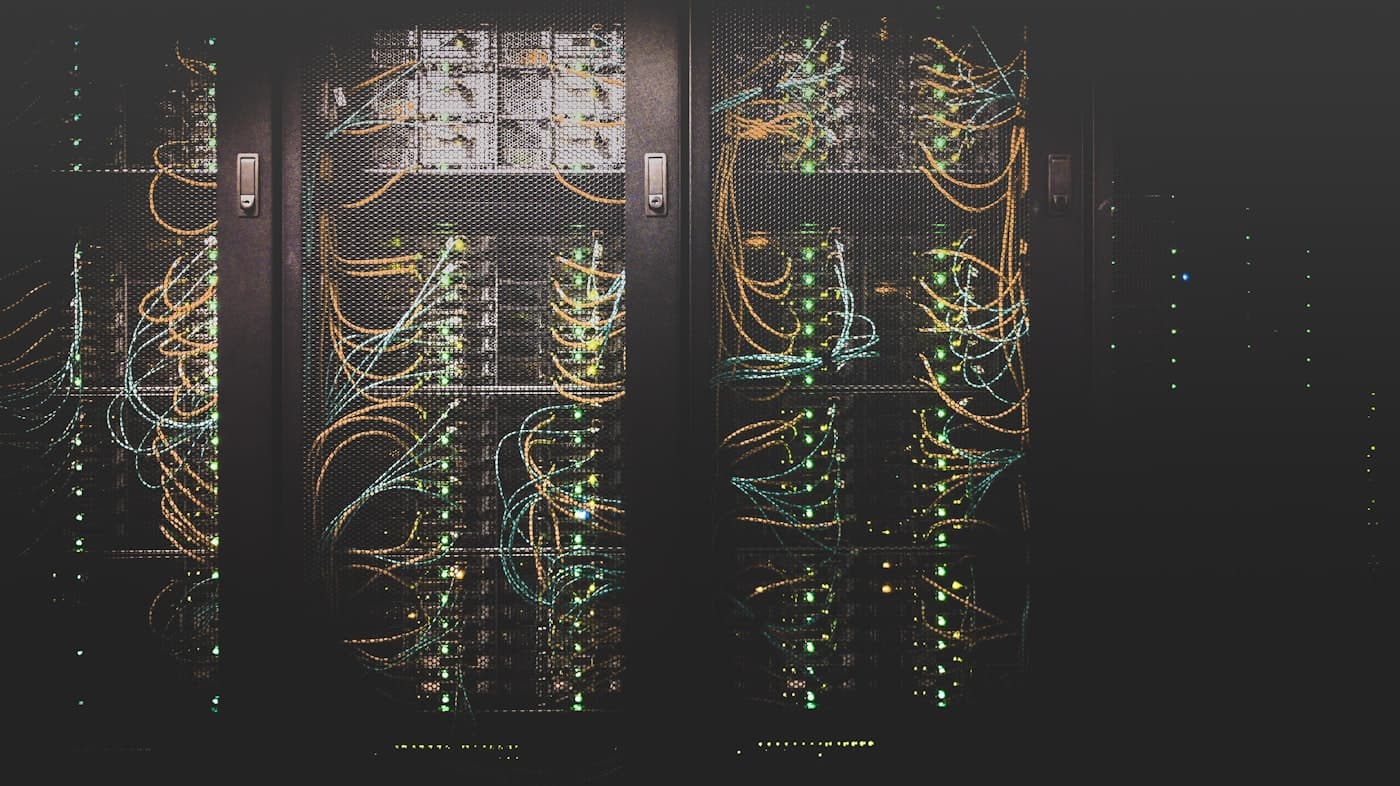
The machines the product actually runs on

Product Strategy & Growth

Before a large build we pin down who it is for, what success looks like, and what can wait. Prototypes and a sequenced plan keep the expensive part honest.

  • Discovery that names the real problem
  • UX in Figma you can click
  • A sequenced roadmap
  • Analytics that match the questions you actually have
  • Figma
  • Notion
  • Miro
  • React
  • Next.js
  • TypeScript
  • Tailwind CSS
  • Vite
  • Google Analytics
  • Mixpanel
  • PostHog
  • Hotjar
Full stack and how we work
A working session before anyone opens an editor

How we work

Four stages, from first call to production

This is not a two-month black box. You see the work as it happens, you can stop after discovery, and the people on the first call stay on the build.

The stages overlap on purpose. Design starts as soon as the first slice is clear. Build does not wait for a perfect file. Scale is already in mind while we ship the first version — we just do not overbuild it on day one.

  1. 01

    Discover

    We write down the job before anyone opens a code editor.

    The first conversations are about the product, not a stack. Who it is for, what already exists, what must not break, and what “done” would actually look like. If the brief is messy, that is normal — we ask until it is specific enough to build against.

    You get a written shape of the work: what is in, what is out, a first slice, risks, and a way of working. You can take it or leave it. We would rather stop here than start a build nobody believes in.

    What you leave with

    • A short written scope and success criteria
    • What is in, what is out, and what can wait
    • A first slice you could ship and learn from
    • How we will talk, demo, and decide
    A workshop where the job gets written down before the build starts
  2. 02

    Design

    You can argue with the product while it is still cheap to change.

    We turn the scope into something you can click: flows, screens, and the few components that will repeat. The point is not a pretty file. It is to find the awkward bits — empty states, permissions, the third tap nobody thought about — before they become tickets.

    If a static prototype is not enough, we spike it in the real stack. You review with the people who will use it, not only the people who commissioned it. When we agree, that file is what we build. It does not go into a void.

    What you leave with

    • Clickable flows and the core screens
    • A small design system, not a 200-component kit
    • Open questions named, not hidden in comments
    • A build sequence that matches the first slice
    Design tools on a desk — screens get argued with before they become tickets
  3. 03

    Build

    Working software every week. You see it, you try it, we adjust.

    The people in the kickoff are the people writing the code. You get a repo you control, a weekly demo of something you can click, and one place for decisions. If a week was thin, we say so. Status without working software is not a progress report.

    Tests, logging and a way to ship go in as we go — not as a cleanup at the end. If something is off, we catch it while it is still small. Scope can change; we write the trade-off down so the invoice does not become the surprise.

    What you leave with

    • A repo, environments and a release path you own
    • Weekly demos of working software
    • Written decisions, not a chat history nobody can find
    • Quality and monitoring in the product, not a later project
    An engineer in the work — the people on the first call stay on the build
  4. 04

    Scale

    Launch is not the end of the relationship.

    Go-live is when the real questions start: a bug in production, a change in the business, a new person on your team who needs to understand the code. We harden what is already running, measure what matters, and keep shipping the next slice if you want us on it.

    You should be able to take the product in-house. Architecture, tests and notes stay with you. If you want us to stay, we will. If you do not, you should not feel trapped.

    What you leave with

    • A production system you can operate
    • Handover notes your engineers can follow
    • The next slice scoped, if you want to continue
    • Support that answers, not a ticket void
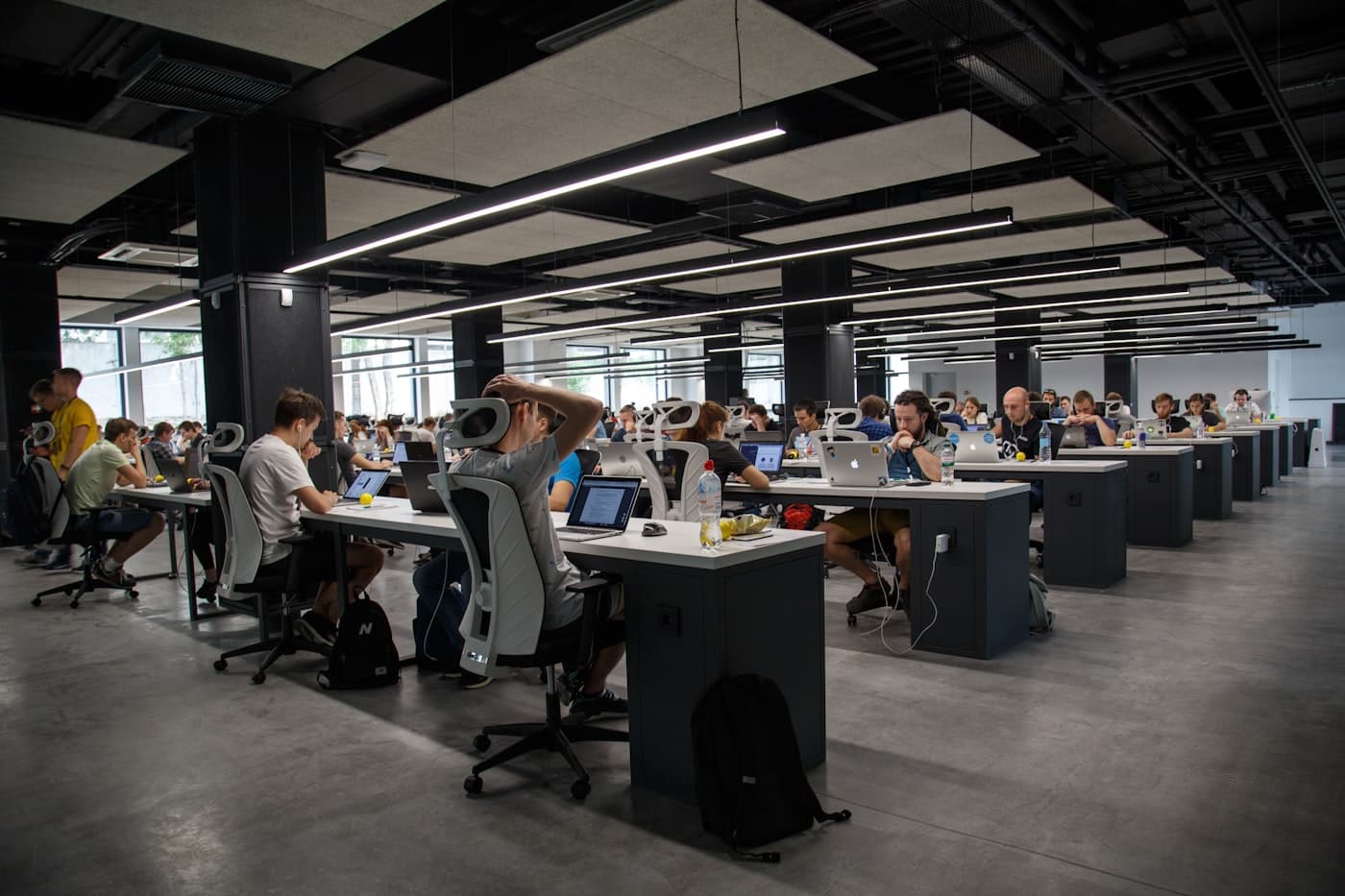
    A busy floor after go-live, when the real questions start

Tell us what you are building.

We usually reply within one business day. Email info@lyrocode.com if you would rather skip the form.

A working session — the conversation that starts the build